
Posted by Barb N.P. Team
on January 02, 2026

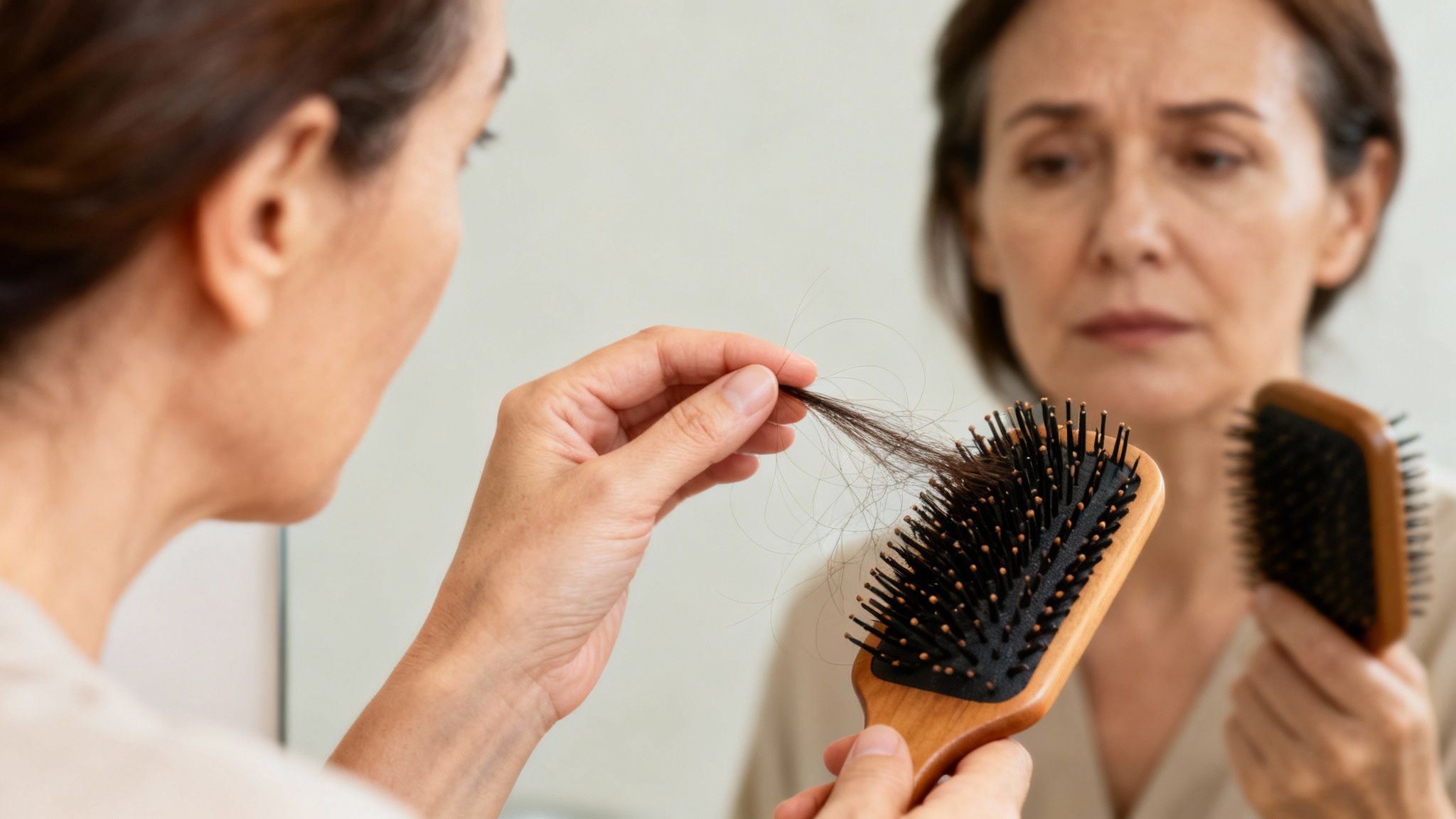
Seeing your part widen or finding more hair than usual in your brush can feel alarming, but you’re not alone. It's a reality for a huge portion of the population—around 85% of men and 33% of women will experience some degree of hair thinning in their lifetime.
Before you can build an effective plan to regrow your hair, you have to get to the root of what’s causing the thinning in the first place. This isn’t about bad luck; it’s almost always a combination of internal and external factors throwing your hair's natural growth cycle off balance.
Unpacking the Triggers Behind Thinning Hair
The reasons for hair loss are deeply personal and can vary wildly from one person to the next. For many, the primary culprit is genetics—a condition we call androgenetic alopecia, or pattern hair loss. This is a hereditary sensitivity to the hormone DHT, which causes hair follicles to shrink over time. As they shrink, they produce finer, shorter hairs until, eventually, they stop growing altogether.
But genetics are only one piece of the puzzle. Several other factors can either trigger or accelerate hair thinning:
- Hormonal Shifts: Major life events like menopause, pregnancy, or conditions such as polycystic ovary syndrome (PCOS) can create hormonal imbalances that lead to a sudden increase in shedding. You can learn more about this connection in our deep dive on what causes female hair loss.
- Nutritional Gaps: Your hair follicles are tiny organs that need a constant supply of vitamins and minerals to function. Deficiencies in key nutrients like iron, biotin, or zinc can directly impact hair structure and growth. If you're looking into potential causes, it's worth seeing if you recognize any common signs of vitamin deficiency.
- Stress and Lifestyle Factors: Both chronic emotional stress and significant physical stress (like from an illness or surgery) can shock your system, pushing a large number of hair follicles into the resting phase. This often results in noticeable shedding a few months down the line.
Key Takeaway: Hair thinning is rarely caused by a single issue. It’s typically a combination of factors, which is why a personalized, multi-pronged approach is the most effective way to achieve real, lasting regrowth.
This guide will give you a clear roadmap, starting with powerful at-home routines and moving into the most effective in-clinic treatments available. We’ll break down how to create a personalized plan that restores not just your hair density, but your confidence, too.
Building Your At-Home Hair Regrowth Foundation
Real, lasting progress against thinning hair doesn’t happen with one magic treatment. It starts at home, with the consistent, daily habits you build to create the best possible environment for your hair follicles to thrive.
Think of it as setting the stage. We need to focus on two key areas: nourishing your body from the inside out and protecting your hair from the outside in.
So many people underestimate how much our internal health shows up in our hair. Your follicles are tiny but incredibly active, and they demand a steady supply of specific nutrients. When your body is running low on resources, hair growth is one of the first processes to get shut down because it’s not essential for survival.
Fueling Growth from Within
Just like a plant needs good soil, your hair needs the right mix of vitamins, minerals, and proteins to build strong, healthy strands. A balanced diet is the absolute baseline, but targeted supplementation can give you a serious advantage by filling nutritional gaps that contribute to thinning.
This is where a medical-grade supplement like Nutrafol really shines. It's so much more than a simple biotin pill. Nutrafol’s formulas are clinically proven and take a multi-targeted approach, using patented, natural ingredients to push back against the biggest triggers of hair thinning—things like stress, hormonal shifts (hello, DHT), and oxidative damage.
Expert Insight: You can eat all the kale in the world, but if chronic stress is burning through your nutrient stores faster than you can replenish them, your hair will still suffer. A high-quality, comprehensive supplement ensures your follicles get the concentrated support they need to wake up and get back into a healthy growth phase.
Choosing the right supplement can feel overwhelming. The key is to look for clinically tested formulas that contain multiple powerhouse ingredients. For a deeper dive, check out our guide on finding the best hair growth supplements to match your specific situation.
The demand for solutions that actually work is enormous. The global hair restoration market was valued at around USD 6.463 billion in 2023 and is expected to explode to USD 18.923 billion by 2030. This boom is driven by the rise of conditions like androgenetic alopecia and a growing desire for treatments backed by real science.
Protecting Your Hair from Daily Damage
While you’re strengthening your hair from the inside, you have to play defense on the outside. Thinning hair is fragile hair, and gentle care is non-negotiable if you want to prevent breakage and keep what you have.
Your daily routine can either help or hurt your efforts. It’s often the small, simple changes that make the biggest difference.
Rethinking Your Hair Care Routine
Let's be honest, many common styling habits are just too harsh for hair that's already struggling. It’s time to get gentle.
- Loosen Up: That tight ponytail, bun, or braid might look chic, but the constant pulling can cause traction alopecia—hair loss from sustained tension. If you need to tie your hair back, keep it loose and use soft, fabric-covered ties.
- Turn Down the Heat: High heat from blow dryers and flat irons literally boils the water inside the hair shaft, making it brittle and prone to snapping. Air-dry when you can. If you must use heat, a protectant spray is a must. No exceptions.
- Handle with Care: Be mindful when you wash, brush, and dry. Don't scrub your scalp aggressively or rip a brush through tangles. Use a wide-tooth comb on damp hair and gently blot it with a soft microfiber towel instead of roughing it up.
For those curious about natural additions to their routine, certain oils can help nourish the scalp and protect the hair shaft. It's worth exploring some of the best oils for hair growth and a healthy scalp.
By combining targeted internal nutrition with a gentle, protective external routine, you create the perfect foundation. This two-pronged approach helps stop the cycle of damage and gives your follicles everything they need to start the regrowth process, paving the way for more advanced treatments to be even more effective.
Using Advanced At-Home Technology for Hair Growth
Once you’ve built a solid foundation with internal nutrition and gentle scalp care, you can bring in some advanced at-home technology to really amplify your results. Think of these tools as the next level of support, working on a cellular level to re-energize your scalp and give your follicles the extra push they need to get back into a productive growth phase.
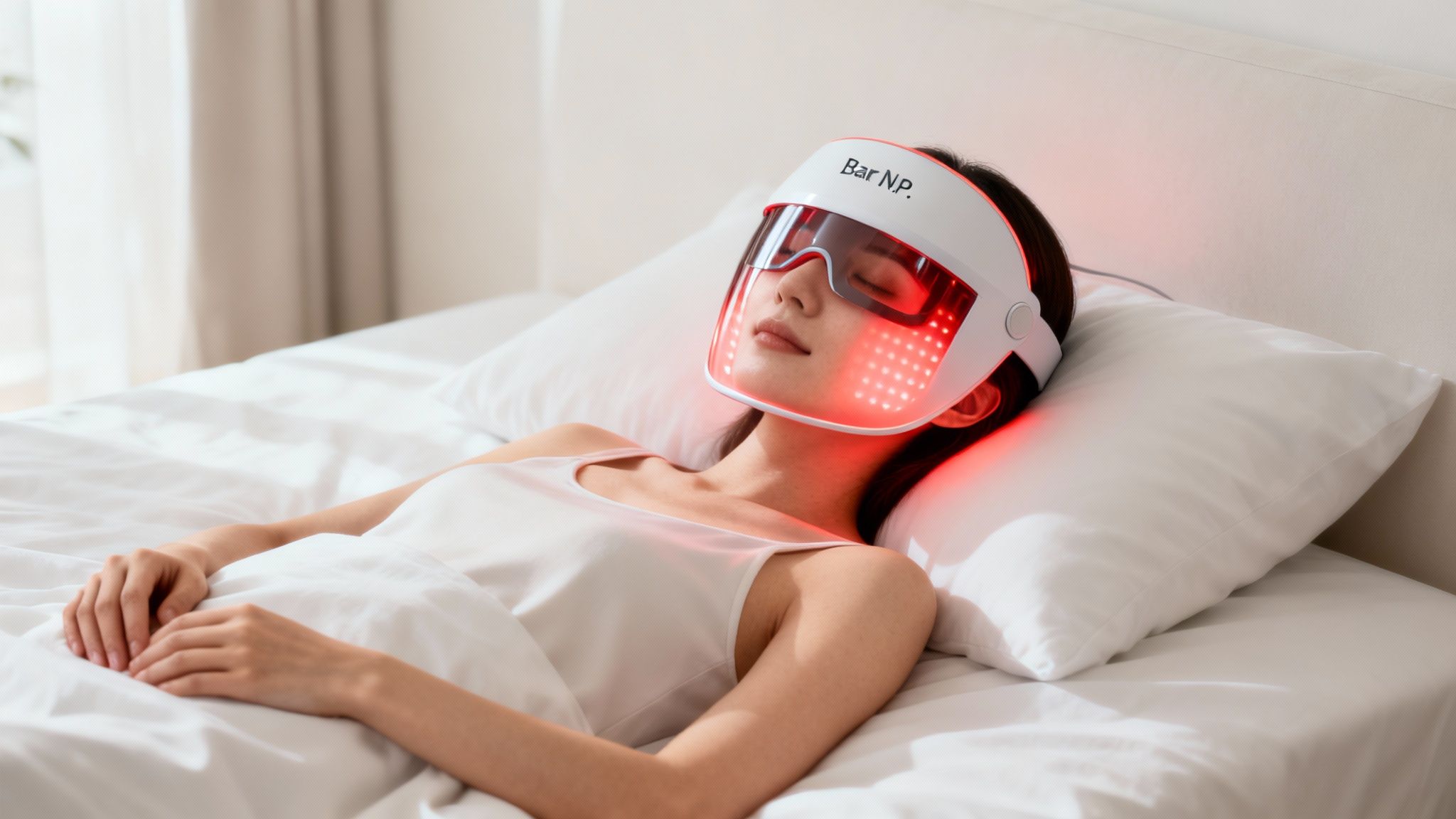
One of the most effective and scientifically validated technologies you can use at home is Low-Level Light Therapy (LLLT), which you’ve probably heard called red light therapy. This isn't science fiction; it's a well-studied treatment that has shown significant success in improving several types of hair loss, including the very common androgenetic alopecia.
How Red Light Therapy Works to Regrow Hair
LLLT uses specific wavelengths of red light that can penetrate the scalp and stimulate your hair follicles right where they live. It’s almost like a battery charger for the tiny powerhouses inside your cells, called mitochondria.
This simple process kicks off a cascade of really beneficial effects:
- Boosted Cellular Energy: The light gets absorbed by your cells, ramping up the production of adenosine triphosphate (ATP)—the main fuel for pretty much all cellular activity. More energy means your follicles can just plain function better.
- Improved Blood Flow: LLLT also enhances circulation in the scalp. This ensures a steady stream of oxygen and all those vital nutrients from your diet and supplements are actually reaching the hair follicles.
- Extended Growth Phase: The therapy encourages follicles to stay in the anagen (growth) phase of the hair cycle for longer. Over time, this leads to thicker, more robust hair strands.
Clinical Insight: What I love about LLLT is that it’s a completely non-invasive, pain-free way to address hair thinning at the source. It works beautifully with other treatments, like Nutrafol, by improving the scalp environment and making your follicles more receptive to all the good stuff you’re supplying internally.
Introducing the Barb N.P. LED Facial Mask
While a lot of LLLT devices are bulky helmets or caps, a high-quality LED mask gives you a versatile and effective alternative for both your skin and scalp. The Barb N.P. LED Facial Mask is a perfect example of this kind of smart, multi-purpose technology. Even though it's designed for the face, its benefits extend seamlessly to the hairline and scalp.
This device really stands out because it was designed with the user in mind. It’s completely wireless, so you’re not stuck tethered to a wall outlet and can actually multitask during your treatment. The mask is also engineered for comfort, resting gently on your face without creating awkward pressure points, which makes it so much easier to stick with.
It also features three distinct lighting settings for customized treatments:
- Red Light: This is your go-to for hair. It targets cellular repair, boosts circulation, and stimulates collagen—all ideal for energizing follicles along the hairline.
- Blue Light: Known mostly for its antibacterial properties, blue light helps maintain a clean, healthy scalp environment free from any follicle-clogging bacteria.
- Amber Light: This setting is great for calming sensitivity and reducing redness, which is a big help if you’re dealing with an irritated or inflamed scalp.
If you want to dive deeper into the science, we have a detailed explanation in our article on what is LED light therapy.
Integrating the LED Mask into Your Routine
With any light therapy, consistency is everything. The good news is that working the Barb N.P. mask into your weekly schedule is simple and doesn’t require a huge time commitment.
Here’s a practical way to supercharge your hair regrowth plan:
- Start Clean: Before every session, make sure your face and hairline are clean and free of any products.
- Pick Your Setting: Select the red light setting to really focus on stimulating follicle activity and boosting that all-important circulation.
- Position for the Scalp: When you put the mask on, just gently push it back a bit. You want to ensure the light is directly covering your frontal hairline, which is where thinning often shows up first.
- Commit to the Time: Aim for three to four sessions per week, with each session lasting between 10 to 15 minutes. That’s it!
- Pair It Up: For the best results, try to use the mask on the same days you take your Nutrafol. This creates a powerful inside-out approach, feeding your newly energized follicles with the exact building blocks they need to thrive.
When to Consider Professional In-Clinic Treatments
A solid at-home routine is the bedrock of any hair regrowth plan. But sometimes, it’s not enough to get the results you’re truly after.
If you’re noticing sudden, rapid shedding, seeing distinct bald patches, or feel your thinning is getting worse despite your best efforts at home, that's a clear signal. It’s time to bring in professional support.
Stepping up your game doesn’t mean jumping straight to invasive surgery. In fact, some of today's most effective treatments are minimally invasive and work by activating your body's own powerful healing systems. One of the best-regarded options in this space is Platelet-Rich Plasma (PRP) therapy.
What Exactly Is Platelet-Rich Plasma (PRP) Therapy?
PRP might sound high-tech, but the idea behind it is surprisingly straightforward. We use the concentrated healing and growth factors already inside your own blood to wake up dormant hair follicles and kickstart thicker, healthier growth.
The entire process is done right here in the clinic and is simpler than you might think.
Here's how it works:
- A Simple Blood Draw: It starts just like a routine blood test, with a small sample drawn from your arm.
- Concentrating the 'Liquid Gold': That blood is spun in a special machine called a centrifuge, which separates out the platelets and plasma. This creates a powerful, concentrated solution packed with growth factors.
- Strategic Scalp Injections: We then carefully inject this platelet-rich plasma into the specific areas of your scalp where thinning is most noticeable.
Those growth factors get to work right away, stimulating follicles, boosting circulation to the scalp, and encouraging your hair to shift back into its active growth phase. Studies have shown PRP can deliver a significant increase in both hair count and thickness.
Why a Professional Consultation Is a Game-Changer
Moving to in-clinic treatments is a big step, and it’s definitely not a one-size-fits-all scenario. The real power of treatments like PRP is unlocked when they're part of a personalized plan designed by an expert. This is where a one-on-one consultation with an experienced provider like Barb N.P. is invaluable.
During a professional consultation, you get a deep dive that goes far beyond what you can figure out on your own. An expert can:
- Pinpoint the Real Cause: We can determine the specific type of hair loss you're dealing with—whether it's genetic, stress-related, hormonal, or something else entirely.
- Assess Your Scalp Health: We'll evaluate the condition of your scalp and follicles to confirm if you’re a good candidate for treatments like PRP.
- Build a Combined Treatment Plan: The best results almost always come from a multi-pronged attack. Barb N.P. can design a plan that seamlessly integrates in-clinic treatments with your at-home routine, making sure everything works together for maximum impact.
Expert Takeaway: Think of a professional consultation as creating your strategic blueprint for hair regrowth. An expert can see the full picture and recommend the most effective combination of treatments—like pairing PRP sessions with continued Nutrafol use and at-home light therapy—to truly maximize your potential.
Exploring Other Clinical Options
While PRP is a fantastic option, it’s not the only tool we have. Depending on your diagnosis and needs, a provider might discuss other therapies. These can range from prescription-strength topical or oral medications to more advanced light therapy systems available only in a clinical setting.
For example, we might recommend a series of higher-powered Low-Level Light Therapy (LLLT) sessions in the clinic. These can give your follicles an intensive jumpstart, while an at-home device like the Barb N.P. LED Facial Mask helps maintain that momentum between your appointments.
The wireless, comfortable design of the Barb N.P. mask makes it an easy and effective addition to any professional plan. Its three light settings (red for follicle stimulation, blue for scalp health, and amber for soothing inflammation) give your scalp comprehensive support, helping you get the most out of every single professional treatment you receive.
Ultimately, deciding to pursue in-clinic care is a proactive step toward taking control of your hair's future. It’s about partnering with an expert who can give you the guidance, tools, and advanced treatments you need to achieve the full, healthy hair you deserve.
Your Hair Regrowth Timeline: What to Realistically Expect
When it comes to regrowing thinning hair, two things are non-negotiable: patience and consistency. We all want instant results, but hair growth is a biological process that moves at its own pace. Understanding the timeline and trusting the process is what separates those who succeed from those who give up too soon.
A smart plan combines internal support, at-home tech, and professional treatments for a powerful, synergistic effect. But just like gardening, you won’t see a full bloom overnight. First, you have to prepare the soil and plant the seeds. Only then can you watch the growth happen.
The First Few Months: Foundations and Stabilization
During the initial one to two months, the main goal is simple: stop the excessive shedding and create the perfect environment for new growth. This is where your foundational habits make all the difference.
Consistently taking a medical-grade supplement like Nutrafol starts to address the internal triggers of thinning—like stress, nutrition gaps, and hormonal shifts.
At the same time, using a device like the Barb N.P. LED Facial Mask works to energize your follicles from the outside. Its comfortable, wireless design makes it incredibly easy to use a few times a week while you relax or multitask. The red light setting is key here; it boosts scalp circulation, ensuring the nutrients from your supplements get delivered right where they’re needed most.
You might not see brand-new hairs in this phase, but you should notice a significant drop in shedding. That’s the crucial first sign that your efforts are paying off.
Months Three to Six: The First Signs of New Growth
This next phase, usually between months three and four, is where things get really exciting. With your follicles now nourished and stimulated, you’ll likely start seeing the first tangible proof of your dedication: fine, soft "baby hairs" popping up along your hairline and part.
These new hairs are often light-colored and delicate, but their appearance is a huge milestone.
It's a clear signal that dormant follicles are waking up and re-entering the anagen (growth) phase of the hair cycle.
If you've also started in-clinic treatments like PRP, this is when the growth factors from your initial sessions really kick in. They amplify the effects of your at-home regimen and encourage even more robust sprouting.
The timeline below gives you a visual guide to these key stages, from reduced shedding to the first sprouts of new hair.
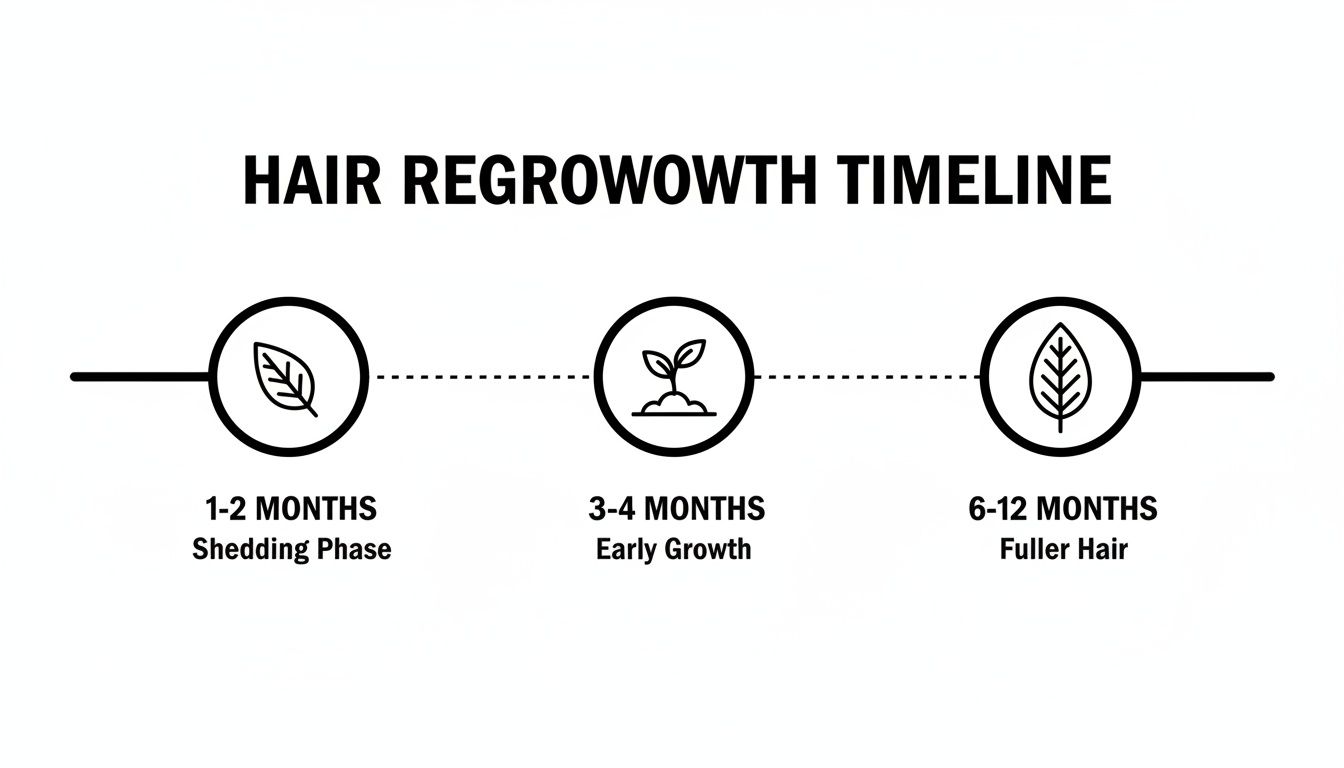
As you can see, progress is gradual. Each phase builds on the last to create fuller, healthier hair over time.
Six to Twelve Months: Building Density and Strength
From the six-month mark onward, your patience truly starts to bear fruit. Those initial baby hairs begin to mature—they become thicker, longer, and more pigmented, finally starting to blend in with the rest of your hair.
This is when you’ll notice a real, visible increase in volume and density. Your part might look tighter, and areas that once seemed sparse will have noticeably better coverage.
To give you a clearer picture, here’s a breakdown of what a typical journey looks like when you stick to your plan.
Typical Hair Regrowth Journey Timeline
| Timeframe | Expected Changes (At-Home Care) | Milestones with In-Clinic Treatments (e.g., PRP) |
|---|---|---|
| Months 1-2 | Shedding noticeably decreases. Scalp environment improves. | Post-treatment scalp healing. Initial stimulation of follicles begins. |
| Months 3-4 | First "baby hairs" appear along the hairline and part. | New, fine hairs start sprouting as growth factors take full effect. |
| Months 5-6 | New hairs start to gain some length and slight thickness. | Growth becomes more visible; overall coverage starts to improve. |
| Months 7-9 | New hairs mature, becoming thicker and more pigmented. | Density and volume show significant, measurable improvement. |
| Months 10-12 | Hair appears visibly fuller. Existing strands feel stronger. | Peak results are often seen, with maximum density and coverage achieved. |
This table illustrates that consistent effort yields compounding results. Every step, from daily supplements to monthly treatments, builds toward your final goal.
Remember, this timeline is a general guide. Your individual results will vary based on the root cause of your hair loss, your genetics, and—most importantly—how consistently you follow your personalized plan. The key is to stick with it, celebrate the small victories, and give your hair the time it needs to truly flourish.
Maintaining Your Results for Long-Term Hair Health
Regrowing your hair is the first victory, but keeping it is the real win. Because hair thinning is so often tied to chronic factors like genetics and hormones, you can't just stop once you see results. The key is shifting from that initial, intensive treatment phase to a smart, sustainable maintenance routine.
This isn’t about quitting your efforts—it's about adjusting them for the long haul. Your commitment is what protects the investment you've made in your hair's health and ensures your amazing results stick around.
Creating Your Sustainable Maintenance Plan
Once you've achieved the regrowth you were hoping for, your routine can become less demanding, but it absolutely must stay consistent. The goal is simple: keep your follicles stimulated and nourished without the same daily intensity you needed at the start. You're now in protection mode.
A practical maintenance schedule usually looks something like this:
- Keep Up Your Internal Support: Daily supplementation with a product like Nutrafol should remain the foundation of your routine. It continues to act as a buffer, shielding your follicles from internal triggers like stress and hormonal fluctuations.
- Adjust Your Light Therapy: You can typically dial back the frequency of your Barb N.P. LED Facial Mask sessions. Dropping from four times a week to just two or three is usually plenty to maintain scalp circulation and keep your follicles energized.
- Schedule Professional Touch-Ups: For in-clinic treatments like PRP, we'll map out a maintenance schedule for you. This often means coming in for a touch-up session every six to twelve months to keep those follicles thriving.
The most powerful long-term strategy is always a combined approach. By continuing your at-home care with Nutrafol and the Barb N.P. mask, while also scheduling those periodic professional treatments, you create a robust defense against future thinning. This is how you ensure your hair stays healthy and dense for years to come.
Common Questions About Hair Regrowth
If you're starting this journey, you probably have a lot of questions. It's completely normal. Let's walk through some of the most common concerns I hear from my clients when they decide to tackle their hair thinning head-on.
Will My Hair Actually Grow Back After Thinning?
The short answer is yes, in most situations, it absolutely can. The key is understanding why it's thinning.
For temporary shedding triggered by stress—a condition called telogen effluvium—your hair will typically return to its normal cycle once the stressor is gone. For something progressive like androgenetic alopecia (pattern hair loss), consistency is everything. With the right treatment, we can wake up dormant follicles and keep that new growth coming.
How Long Until I See Real Results?
This is where patience becomes your best friend. You’ll likely notice you're shedding less within the first one to two months, which is a great early sign.
But visible new growth? That takes a bit longer. Most people start to see those fine, fuzzy "baby hairs" pop up around the three-to-four-month mark. Real, noticeable improvements in density and thickness usually become obvious after six to twelve months of a consistent, multi-step routine.
Do At-Home Devices Genuinely Work?
They do, and the science is solid. At-home technology, especially Low-Level Light Therapy (LLLT), is a legitimate, proven way to stimulate hair follicles without stepping into a clinic.
Devices like the Barb N.P. LED Facial Mask are fantastic because they use specific wavelengths of red light to energize the cells in your follicles and boost blood flow to the scalp.
Its wireless design and different light settings make it an easy and comfortable addition to any hair regrowth plan. Think of it as a support system for your scalp and follicles—it enhances everything else you're doing.
When you pair a quality LLLT device with your topicals and supplements, you create a powerful synergy. It’s this combined approach that so often delivers the best possible outcome.
Ready to build a hair restoration plan that actually works for you? At BotoxBarb, we provide expert consultations and a curated collection of medical-grade treatments to get you there.
Explore our solutions and book your appointment today.